
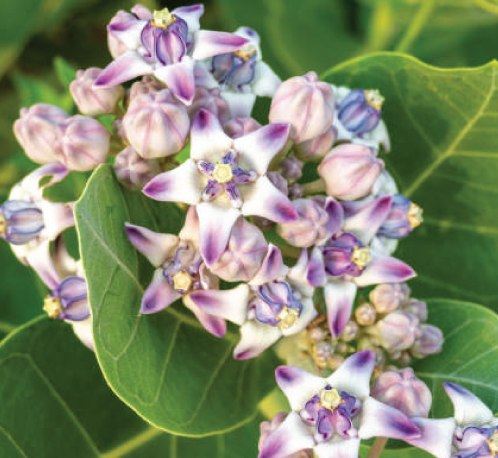
Aak
Calotropis gigantea
- Also known as
- Crown Flower, Madar
- Family
- Apocynaceae
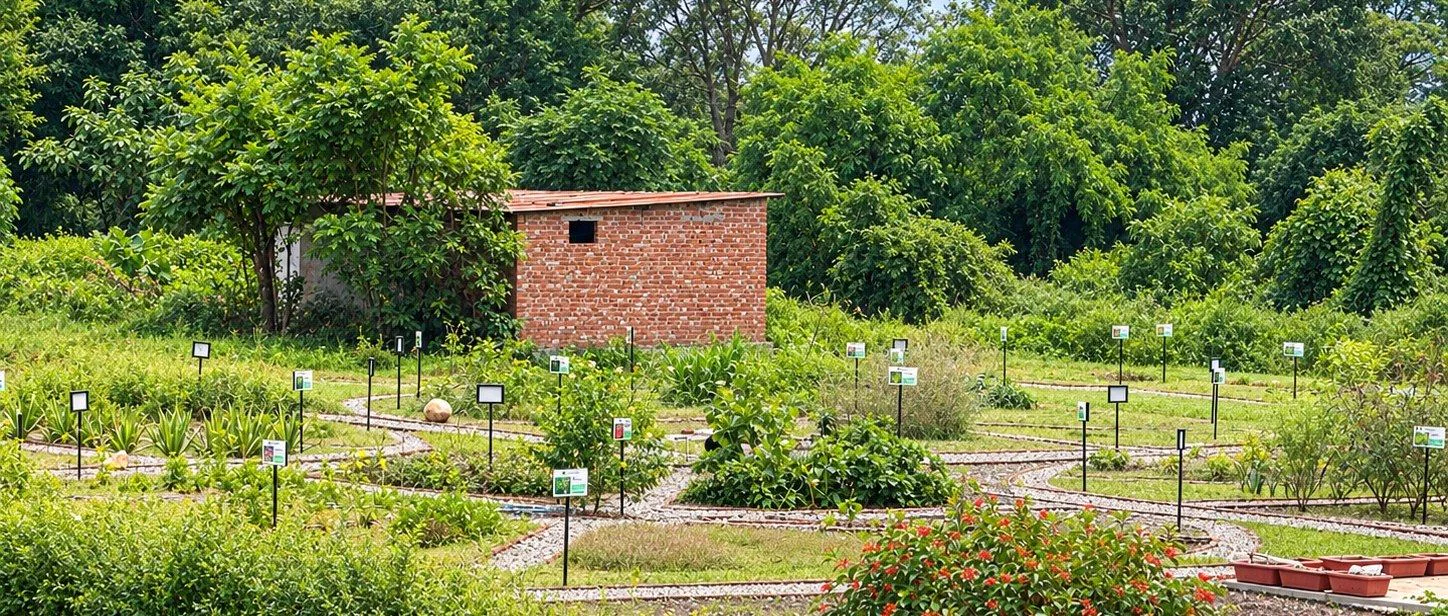
Discover the plants of Ayurveda — their names, nature and traditional place in care.
Our Herbal Garden is home to over 65 varieties of medicinal herbs and plants. Search by name, or browse alphabetically, to learn about each plant and its place in Ayurveda.
Calotropis gigantea
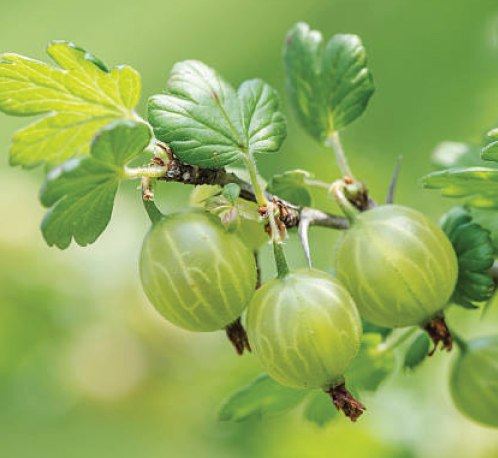
Emblica officinalis
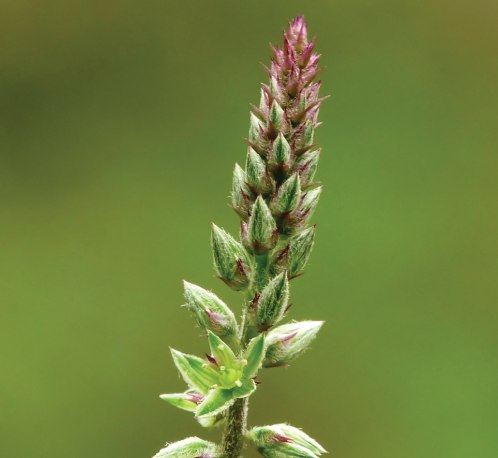
Achyranthes aspera
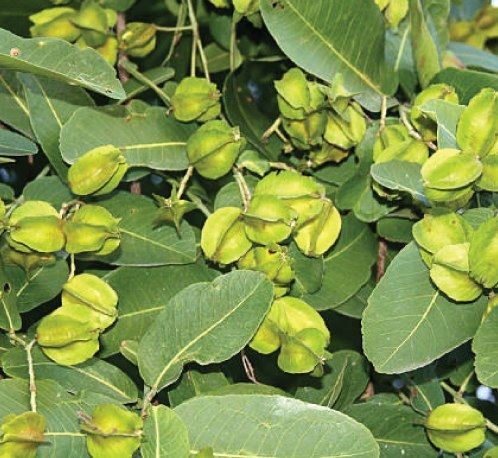
Terminalia arjuna
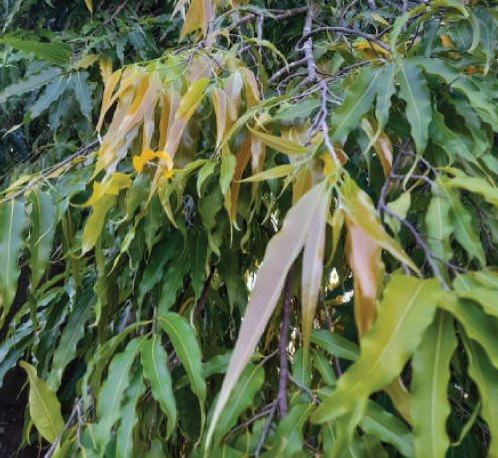
Saraca asoca
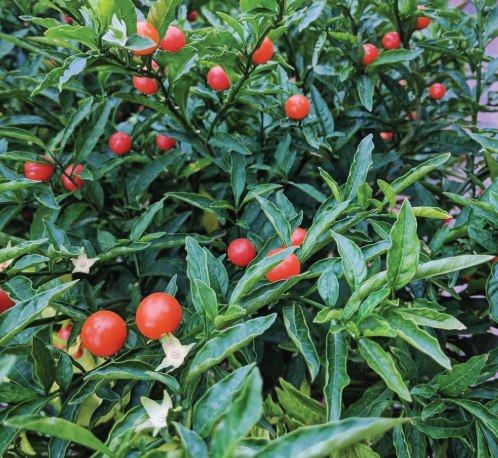
Withania somnifera
A renowned Rasayana herb in Ayurveda, Ashwagandha has traditionally been valued for supporting strength, stamina, vitality and resilience. It is also associated with restful sleep, stress management and maintaining physical and mental wellbeing, particularly during periods of fatigue or strain.
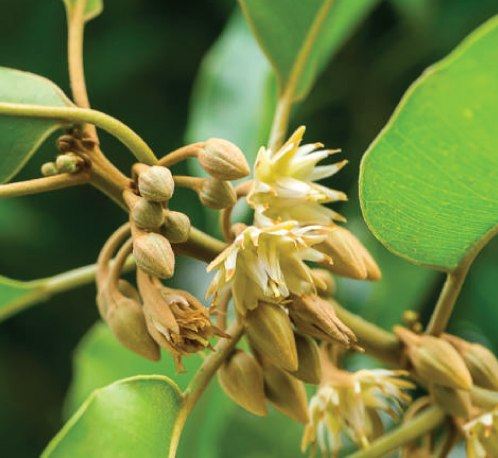
Mimusops elengi
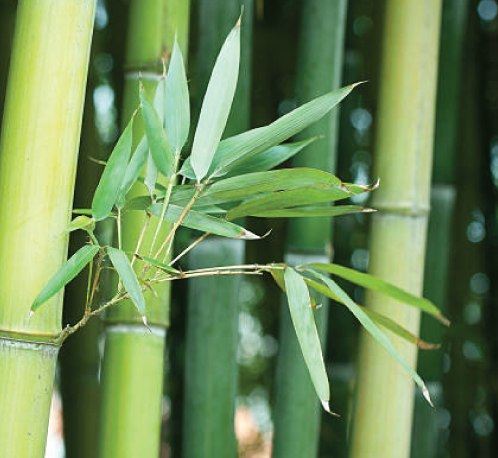
Bambusa arundinacea
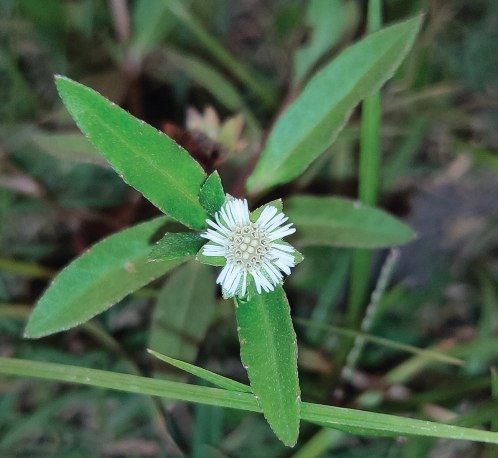
Eclipta prostrata
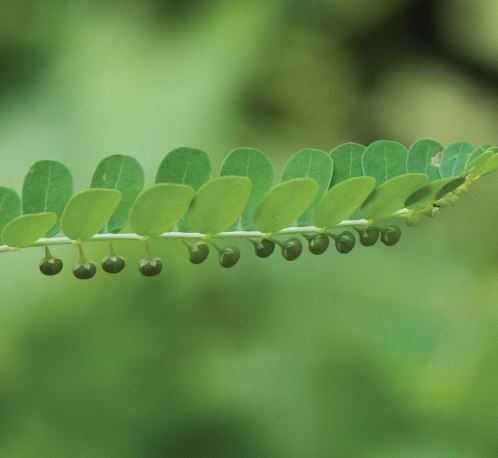
Phyllanthus niruri
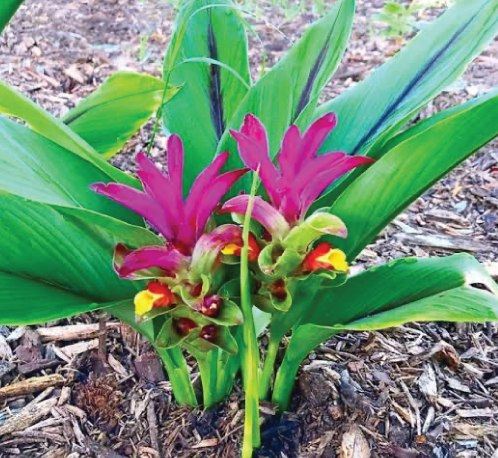
Curcuma caesia
A rare and distinctive variety of turmeric, Black Turmeric is used in Ayurveda for its anti-inflammatory and analgesic properties. It is used in preparations associated with joint and respiratory wellbeing, wound care and immune support.
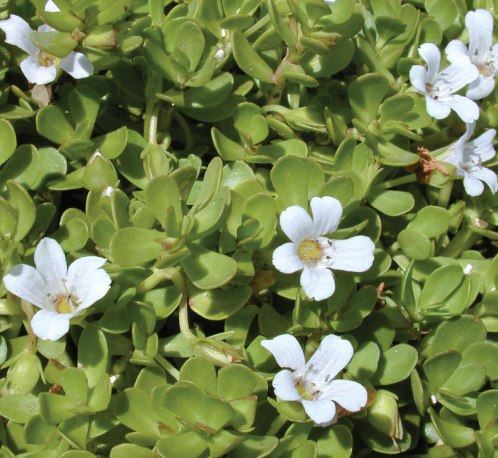
Bacopa monnieri
One of Ayurveda’s well-known Medhya herbs, Brahmi is valued for supporting memory, concentration and mental wellbeing. It is also associated with calmness, mental clarity and the ability to manage everyday stress.
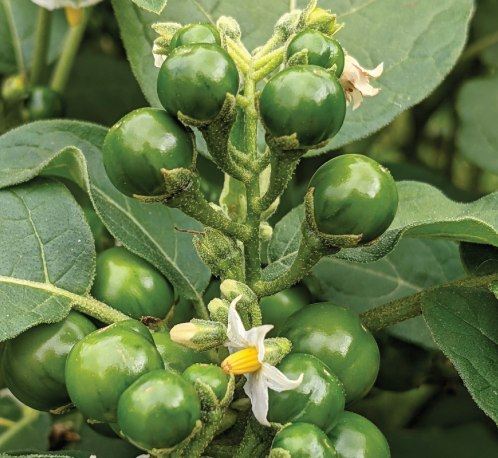
Solanum indicum
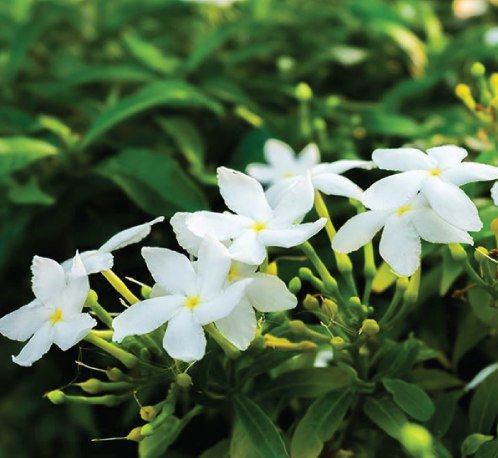
Jasminum officinale
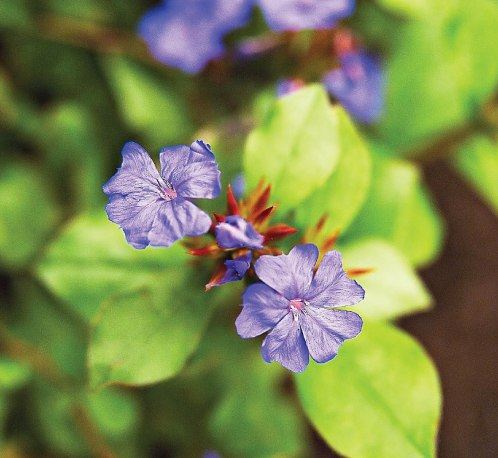
Plumbago zeylanica
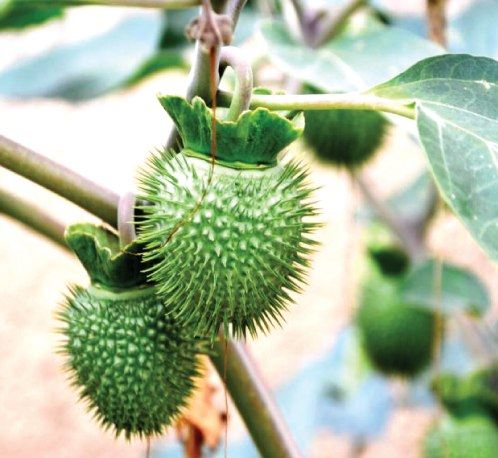
Datura
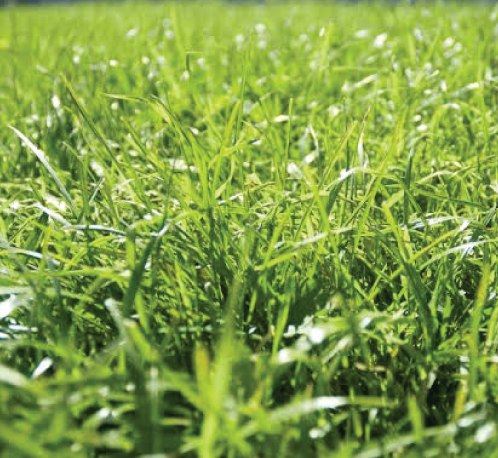
Cynodon dactylon
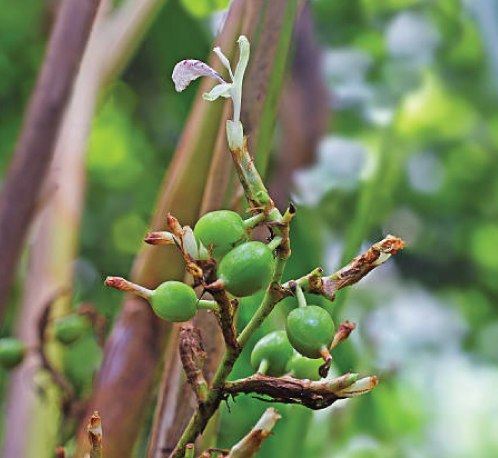
Elettaria cardamomum
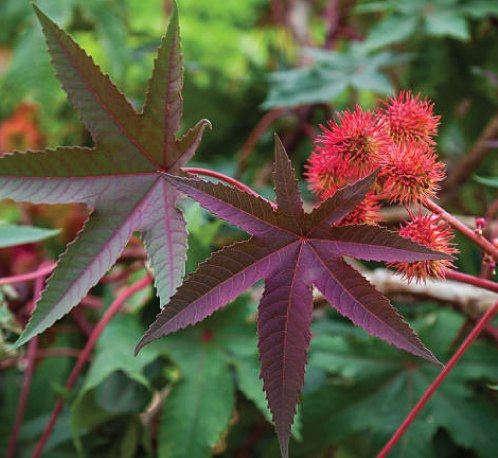
Ricinus communis
Erand holds an important place in Ayurveda, particularly in the care of Vata-related imbalances. Preparations derived from the plant, including castor oil, are traditionally used to support joint and digestive wellbeing and in selected therapies, including Vasti.
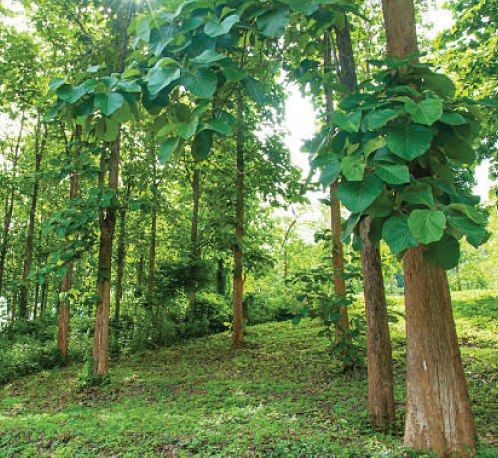
Gmelina arborea
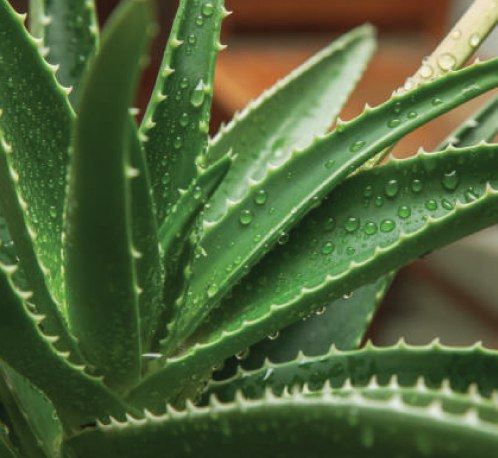
Aloe vera
A cooling plant traditionally used in Ayurveda to support skin, digestion and restorative care.
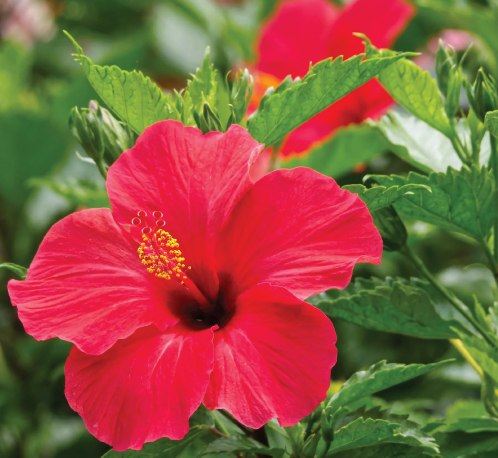
Hibiscus syriacus
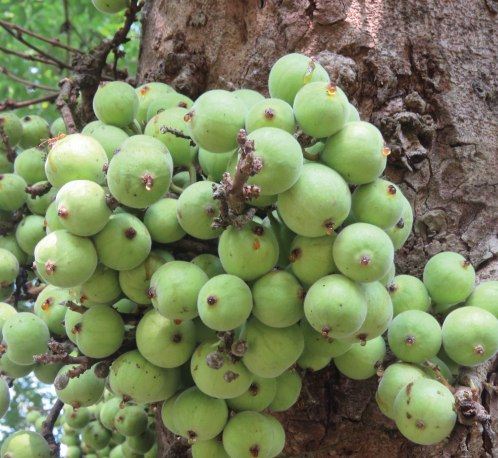
Ficus racemosa
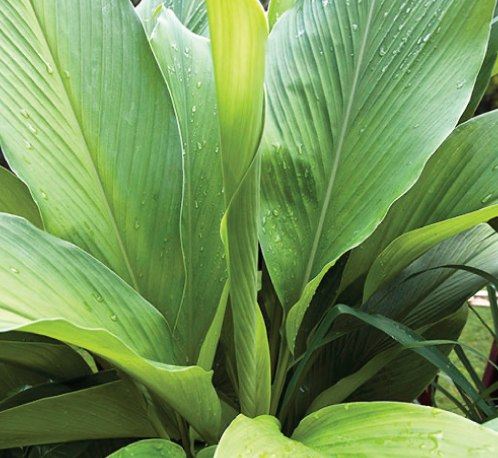
Curcuma longa
A golden, revered herb in Ayurveda, valued for supporting skin health, digestion and the body’s natural response to inflammation.
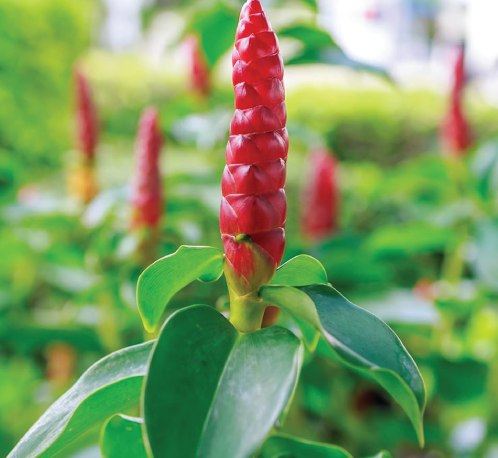
Costus igneus
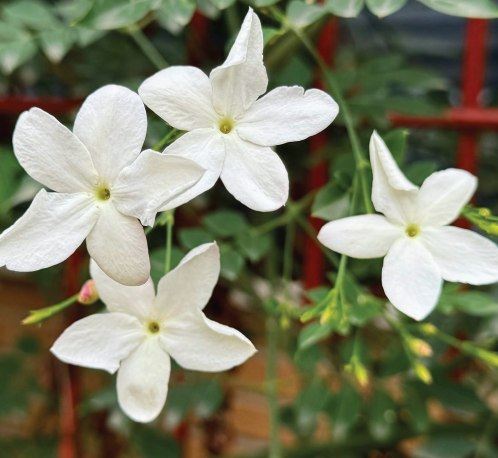
Jasminum grandiflorum
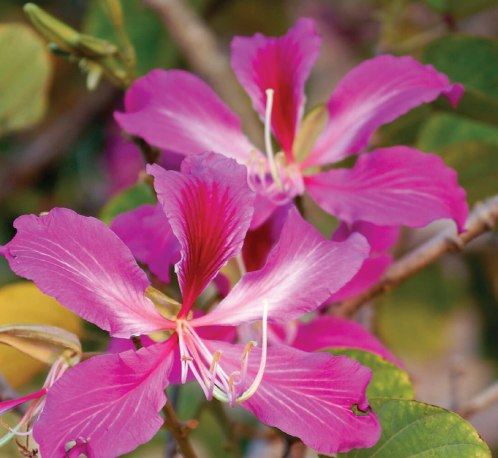
Bauhinia variegata
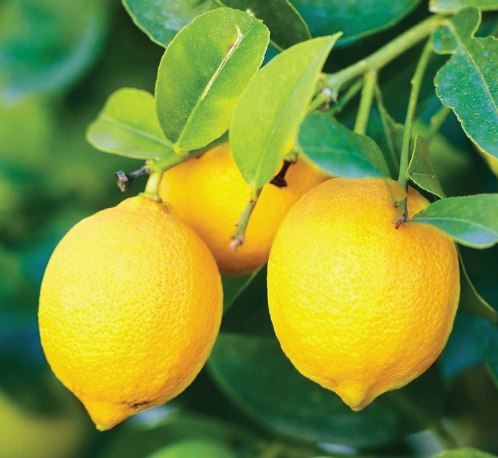
Citrus aurantifolia
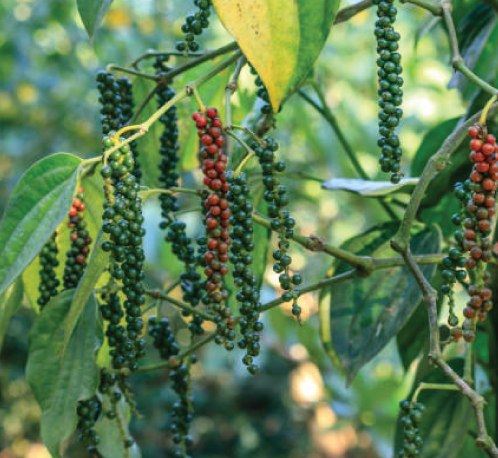
Piper nigrum
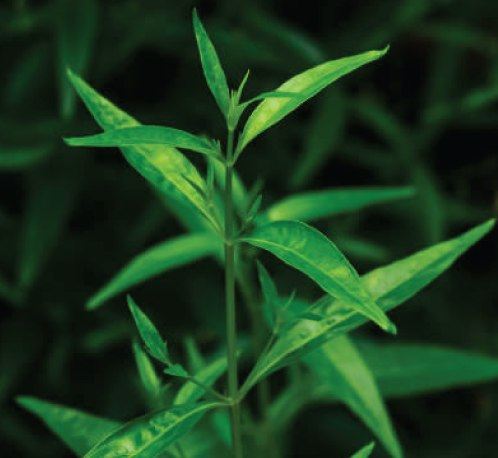
Andrographis paniculata
Popularly known as the “King of Bitters,” Kalmegh has a long history of use in Ayurveda. It is traditionally valued for supporting liver and digestive wellbeing, immunity, and the management of Ama.
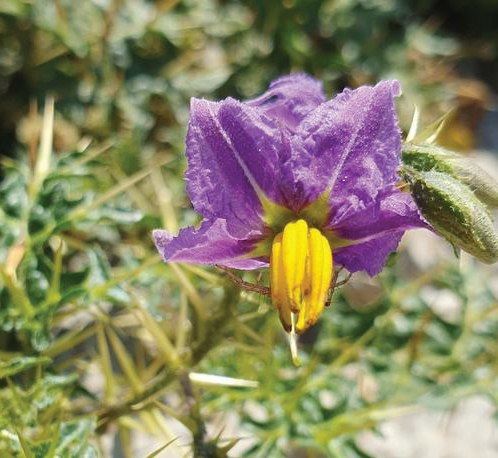
Solanum surattense
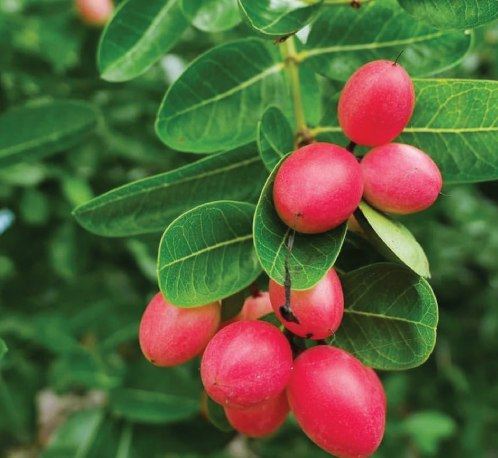
Carissa carandas
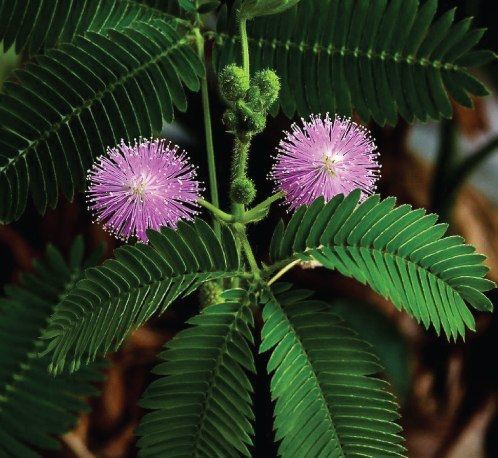
Mimosa pudica
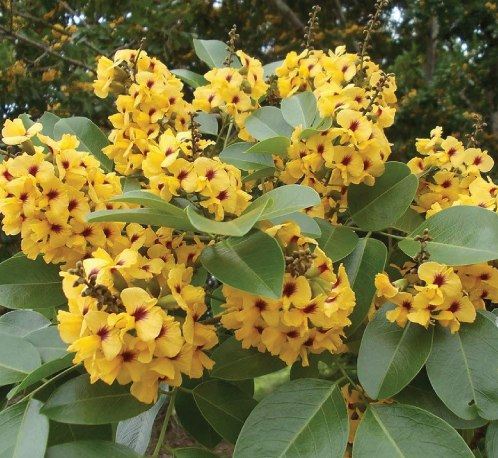
Pterocarpus santalinus
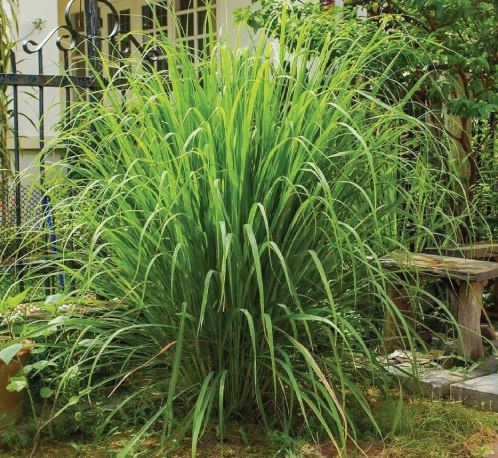
Cymbopogon citratus
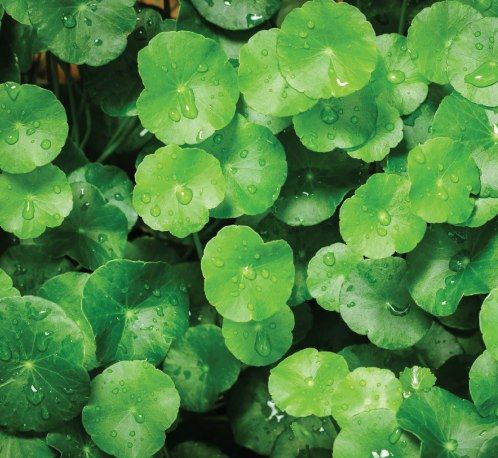
Centella asiatica
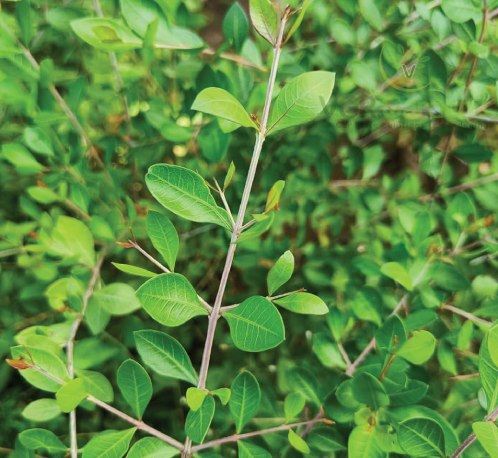
Lawsonia inermis
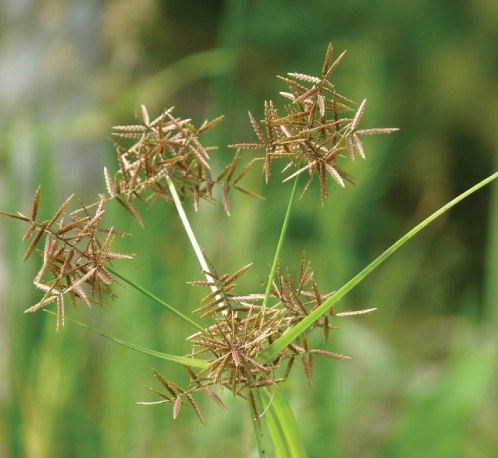
Cyperus rotundus
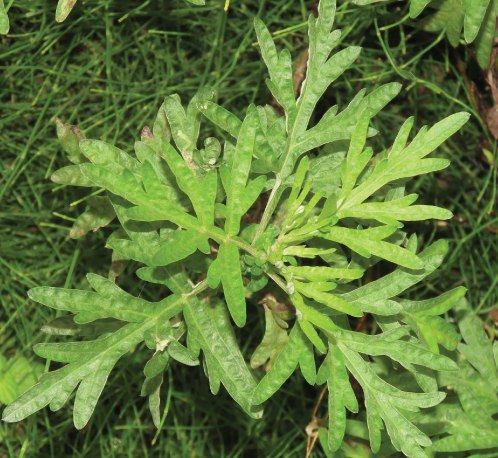
Artemisia nilagirica
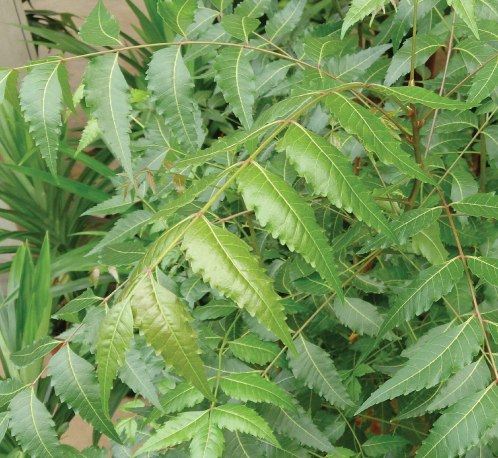
Azadirachta indica
Traditionally valued in Ayurveda for purification, skin care and supporting the body’s natural defences.
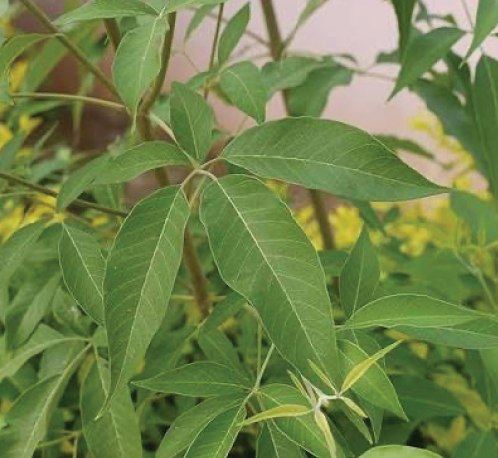
Vitex negundo
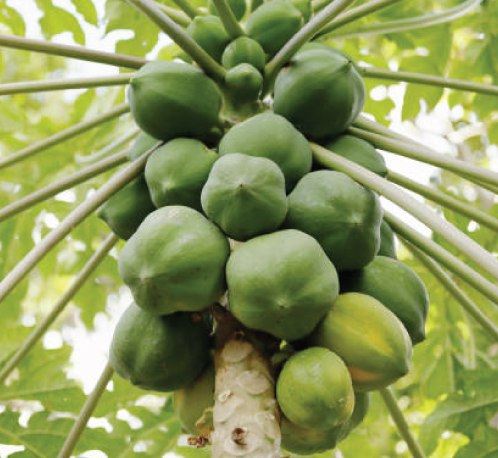
Carica papaya
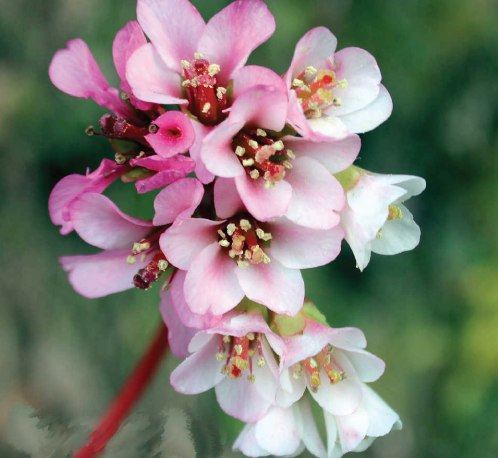
Bergenia ligulata
Meaning “stone breaker,” Pashanbheda is a valued herb in Ayurveda, particularly associated with kidney and urinary wellbeing. It is known for its use in supporting the management of urinary stones and healthy urinary function.
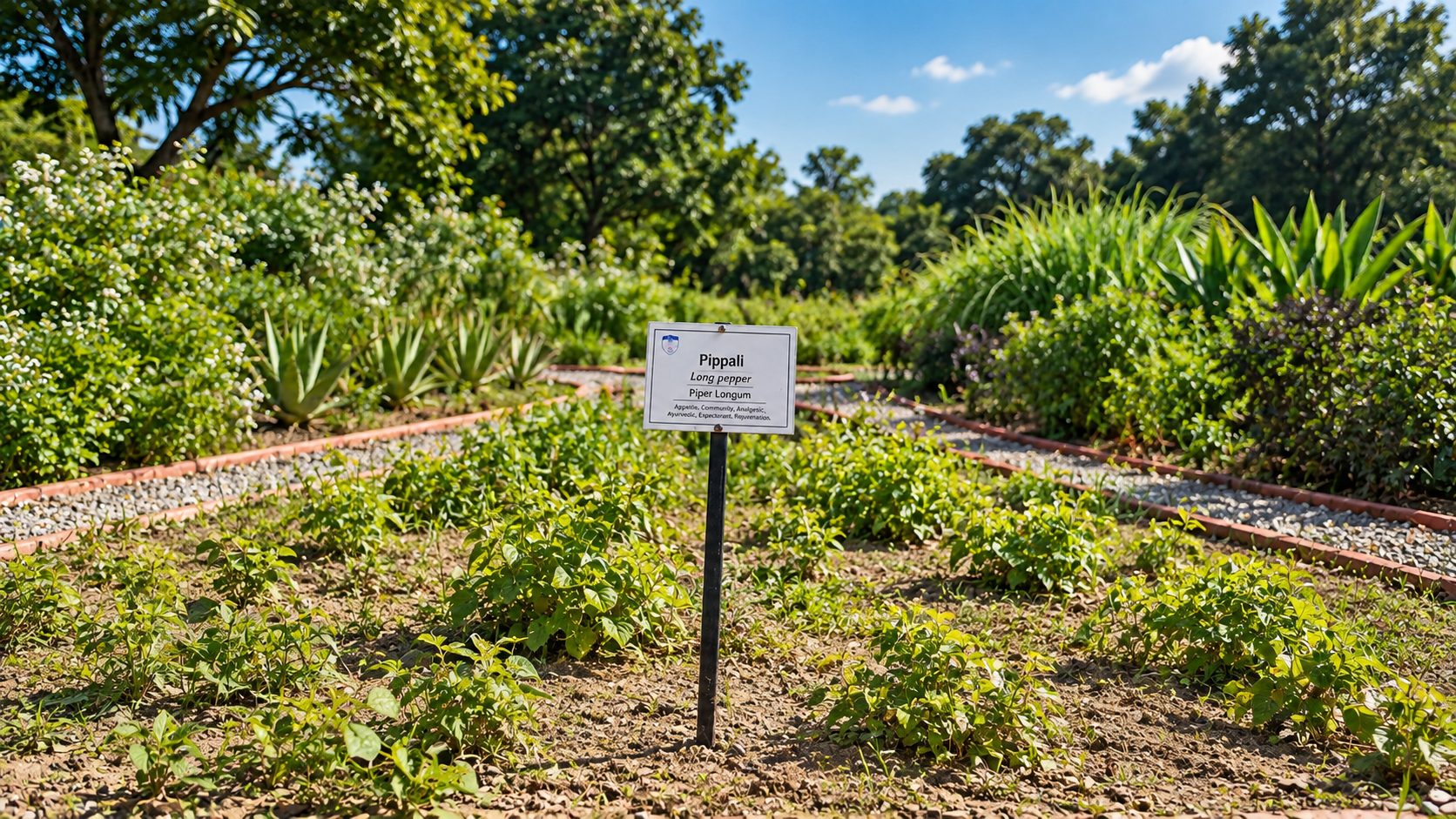
Piper longum
A warming Rasayana herb traditionally used to support respiratory wellbeing, digestion and healthy metabolism.
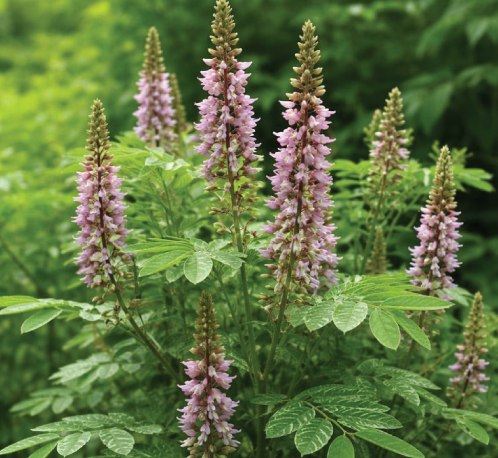
Uraria picta
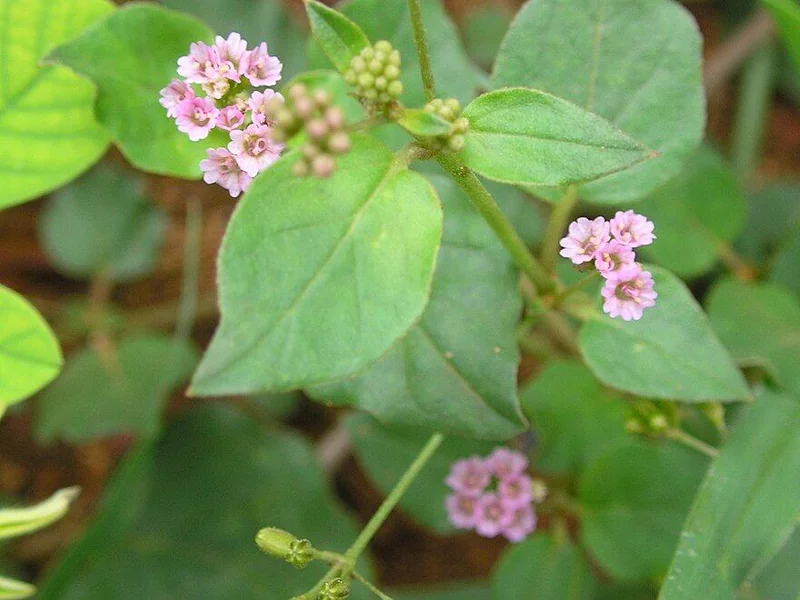
Boerhavia diffusa
Meaning “that which renews again,” Punarnava is a valued herb in Ayurveda, traditionally associated with renewal, fluid balance and metabolic wellbeing. It is particularly known for supporting kidney and liver function and the body’s natural management of excess fluid.
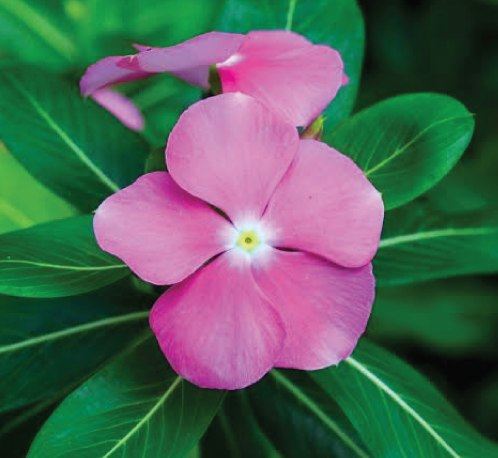
Catharanthus roseus
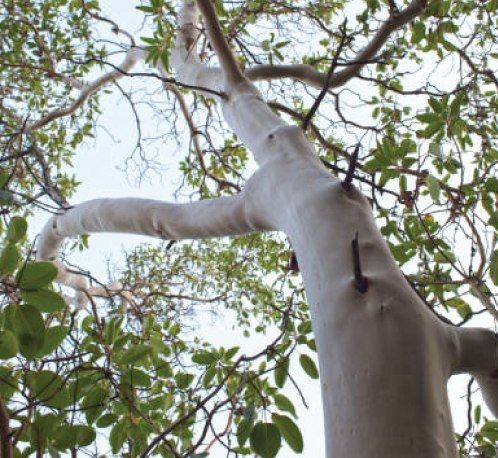
Santalum album
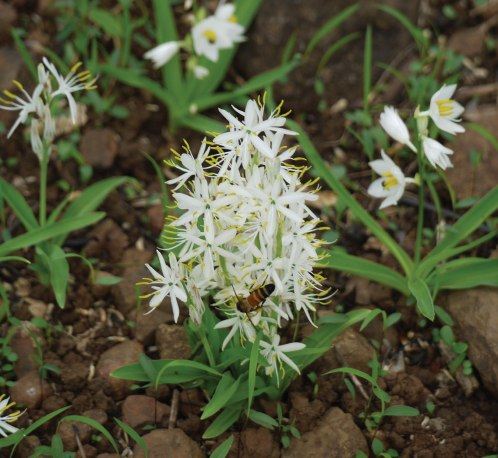
Chlorophytum borivilianum
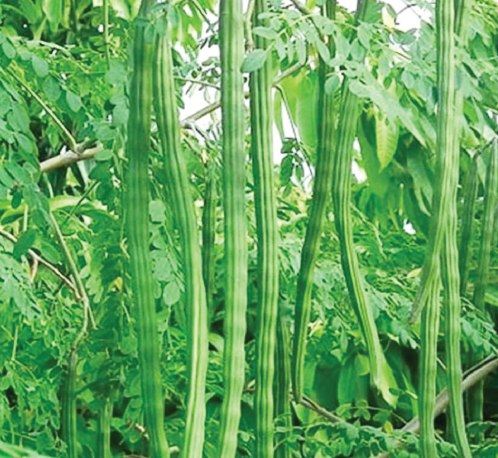
Moringa oleifera
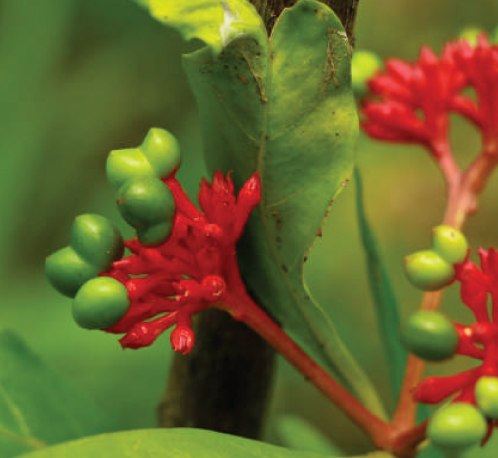
Rauvolfia serpentina
An important medicinal plant in Ayurveda, Sarpagandha is particularly associated with calming the nervous system and supporting healthy blood pressure. It is also used in the management of sleep disturbances, anxiety and stress under appropriate professional guidance.
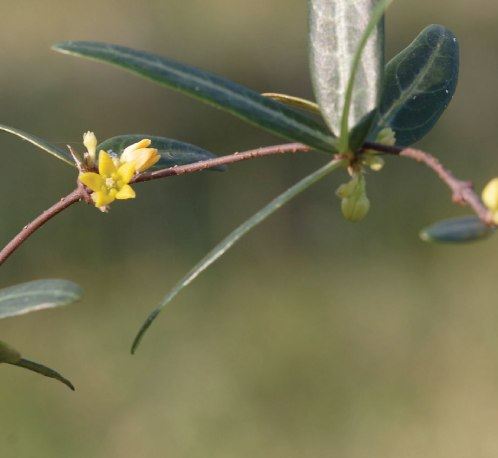
Desmodium gangeticum
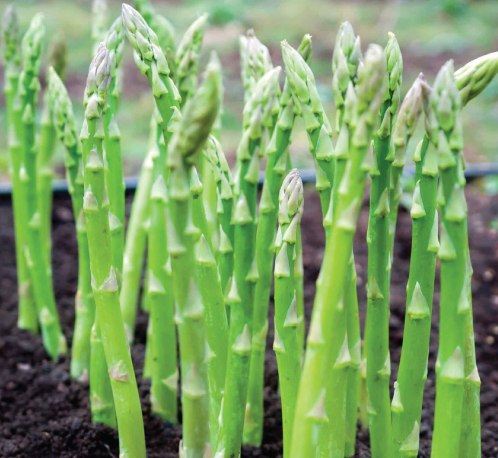
Asparagus racemosus
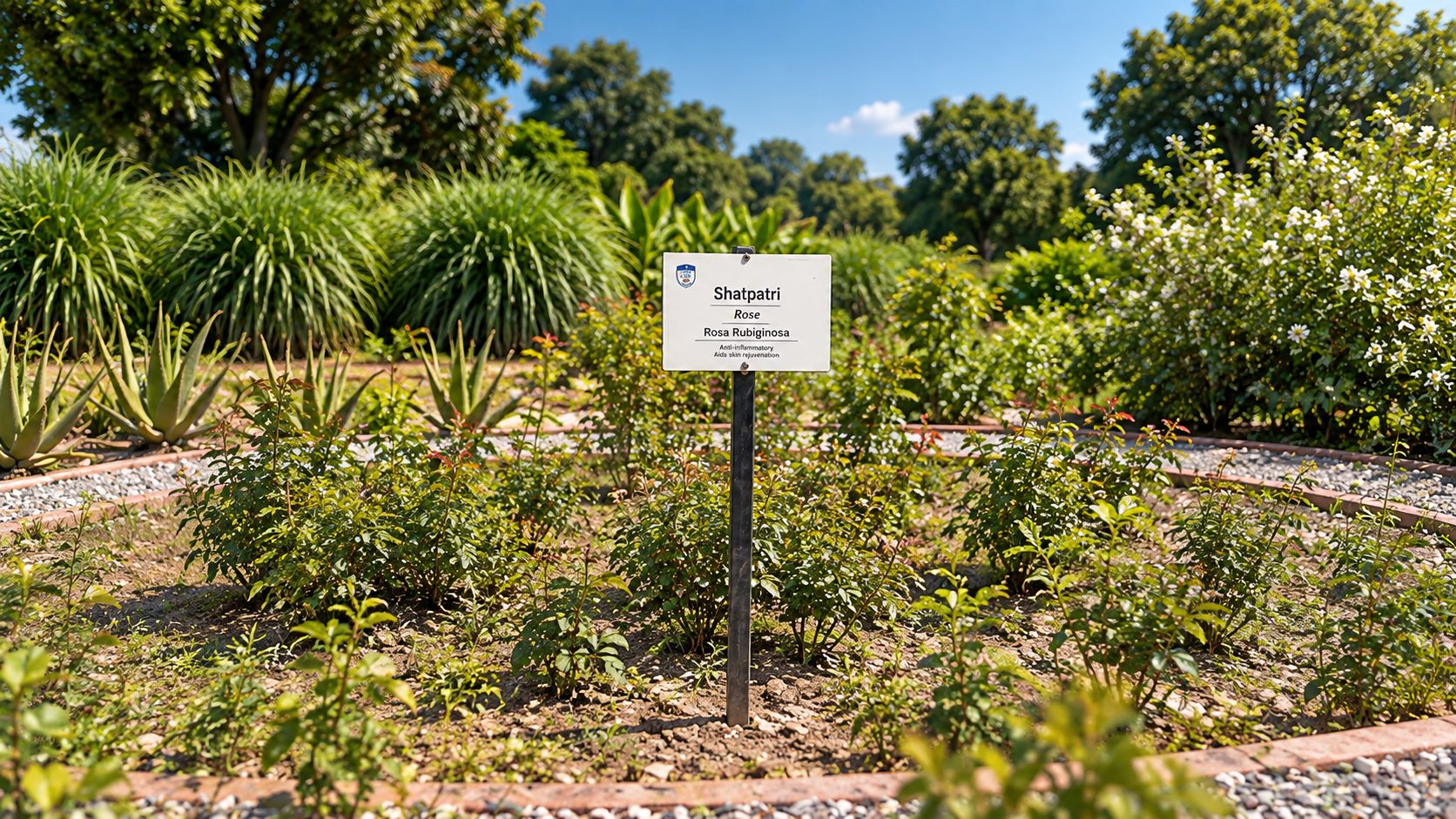
Rosa centifolia
The fragrant hundred-petalled rose, valued in Ayurveda for its cooling, calming and skin-soothing qualities.
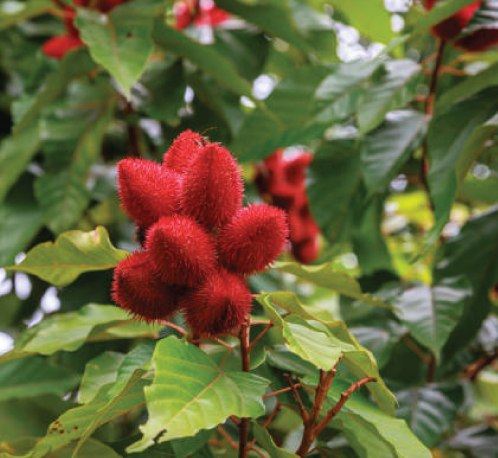
Bixa orellana
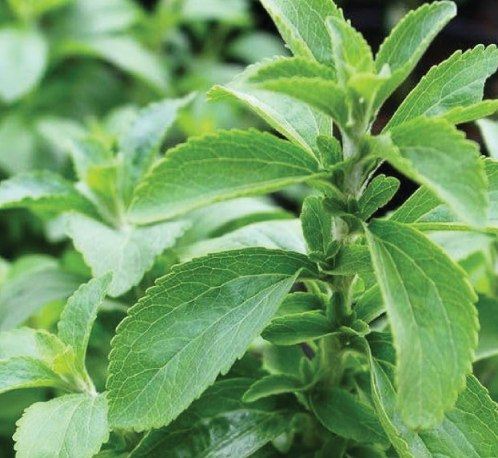
Stevia rebaudiana
Known for the natural sweetness of its leaves, Stevia is valued as a plant-based, low-calorie alternative to sugar. It is particularly useful in diets where sugar and calorie intake need to be moderated, including dietary approaches to weight and metabolic wellbeing.
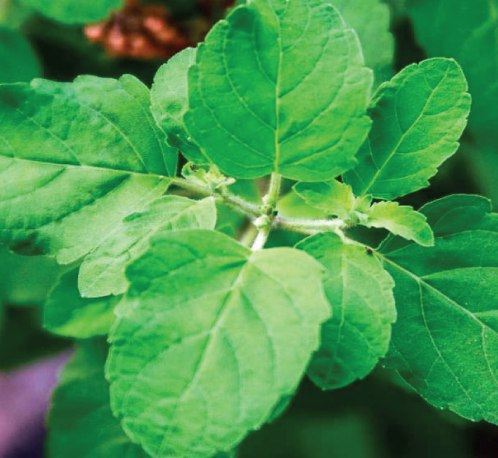
Ocimum tenuiflorum
A revered aromatic herb used to support respiratory wellbeing, resilience and everyday vitality.
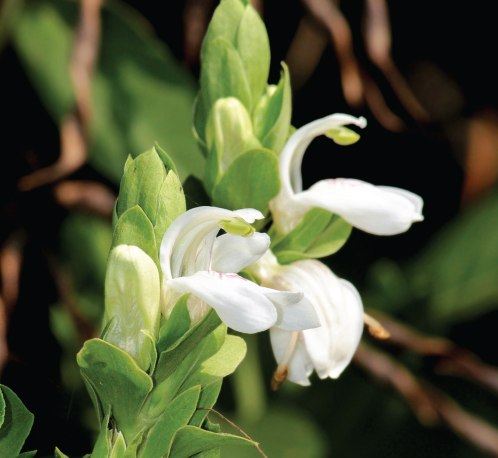
Adhatoda vasica
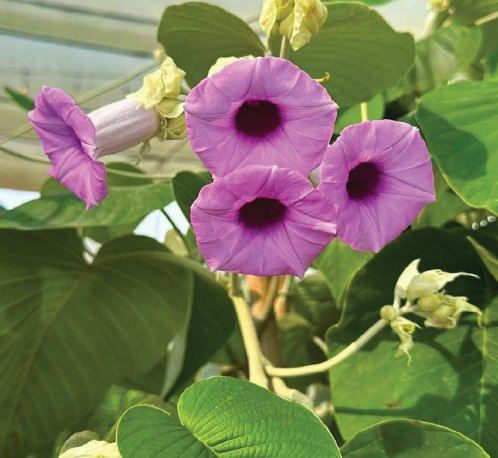
Argyreia nervosa
No plants match “”.
Plant information is shared for learning about Ayurveda. Herbs and preparations should be used only as advised by a qualified Vaidya.
See. Learn. Connect.