
Learning in the
Himalayan Tradition
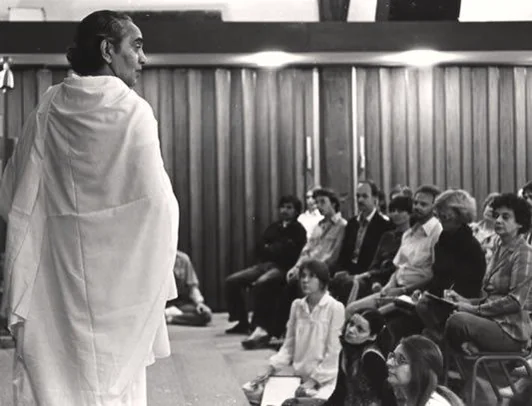
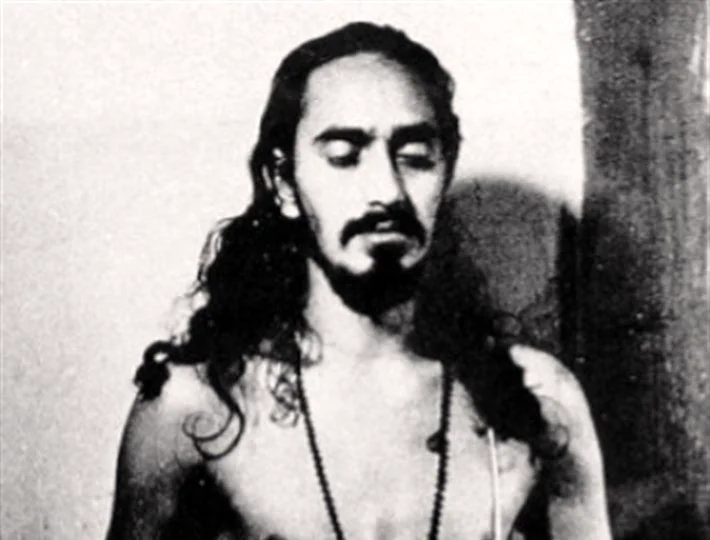
Swami Rama was trained by his master, Bengali Baba, through study, disciplined practice and direct experience.
— H.H. Dr. Swami Rama
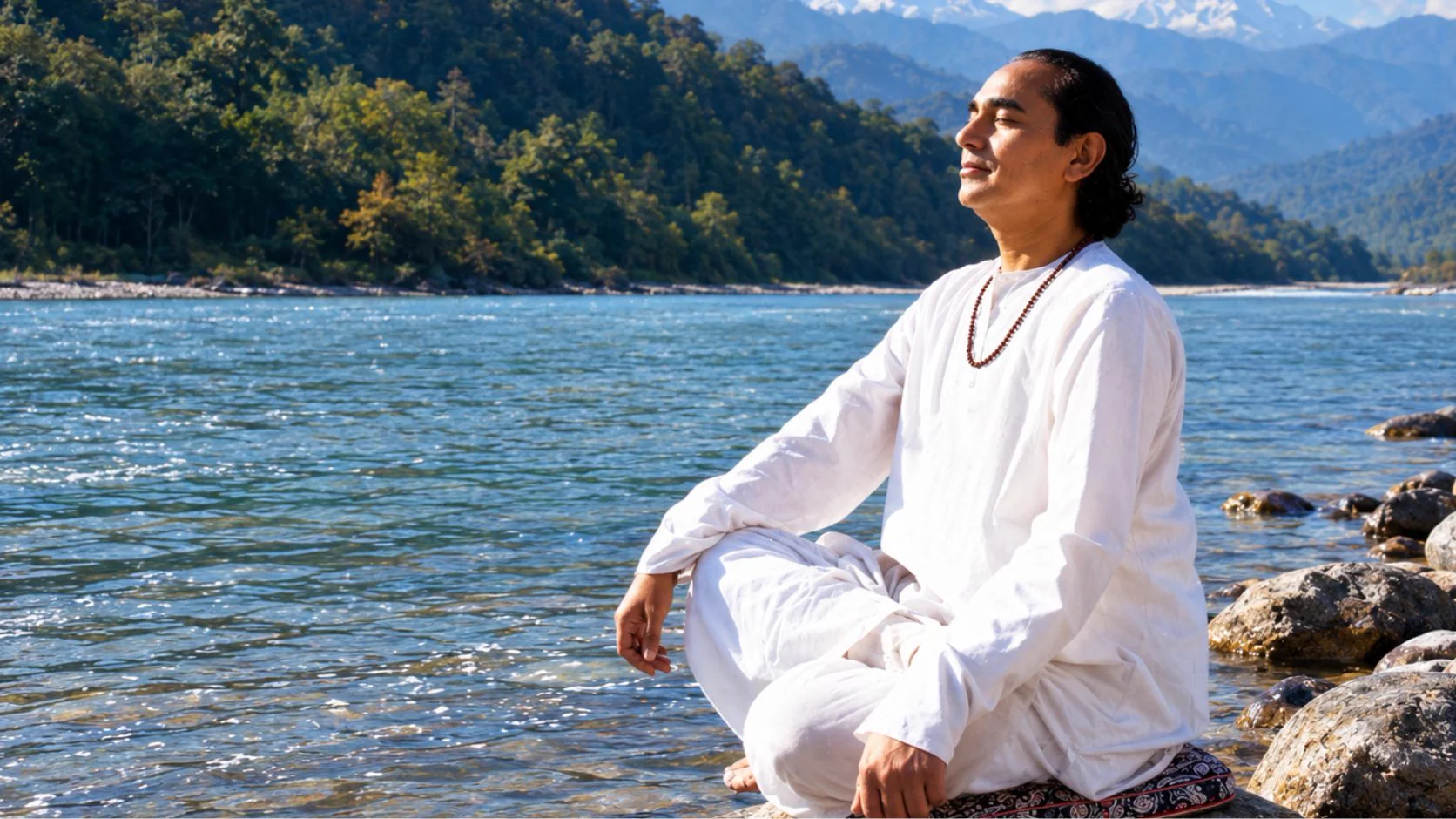
H.H. Dr. Swami Rama of the Himalayas was a Yogi, philosopher, scientist and humanitarian whose life was devoted to understanding the human being in their wholeness and placing knowledge in the service of humanity.
Rooted in the Himalayan tradition, his work brought together ancient wisdom, disciplined spiritual practice and scientific enquiry. He emphasised the intimate relationship between body, breath and mind, and the inherent capacity within every individual for healing, balance and inner transformation.
Wisdom Lived Through Practice
A living tradition in which knowledge is deepened through study, disciplined practice and direct experience.
Swami Rama was trained by his master, Bengali Baba, through study, disciplined practice and direct experience.
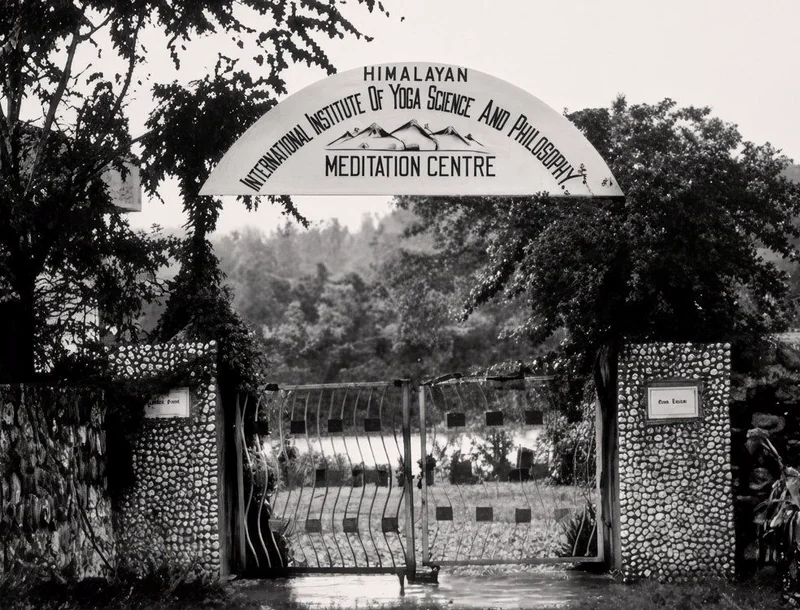
In 1966, he established Sadhana Mandir in Rishikesh as a centre for the practice and teaching of Yoga and meditation.
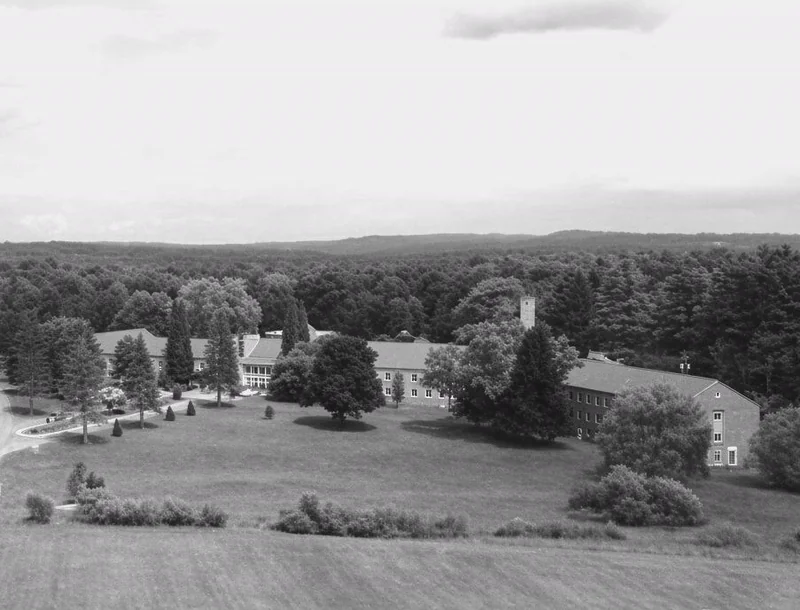
In 1971, he founded the Himalayan Institute of Yoga Science and Philosophy in the United States, bringing the teachings of the Himalayan Tradition to a wider world.
At the heart of his teaching was an integrated understanding of the human being—body, breath, mind and consciousness— and the possibility of cultivating greater awareness and mastery through systematic practice.
As the mountains are unmoved, so is the truth within.
Demonstrating the Potential of the Human Mind.
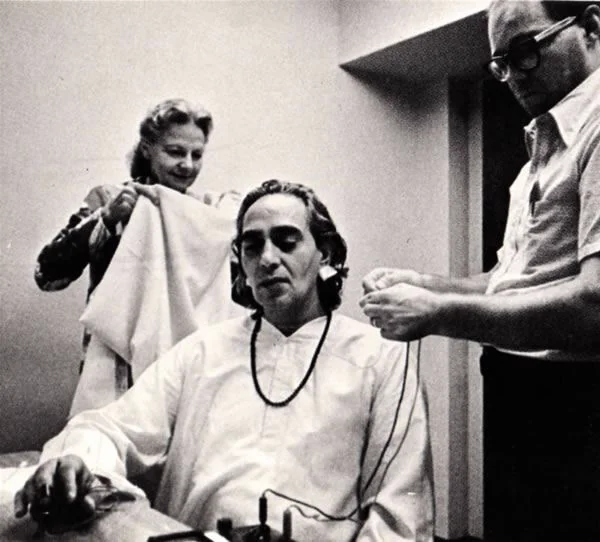
At the Menninger Foundation in Topeka, Kansas, Swami Rama participated in studies under controlled laboratory conditions, demonstrating an unusual degree of voluntary influence over physiological processes generally considered involuntary.
These demonstrations attracted international attention and were documented in the 1973 Encyclopaedia Britannica Yearbook of Science, Time-Life Nature/Science Annual 1973, and World Book Science Annual 1974, among other publications.
His work contributed to the emerging dialogue around mind-body medicine, biofeedback and holistic health, opening new possibilities for understanding the connection between consciousness and physiological functions.
For Swami Rama, however, these demonstrations were not an end in themselves. They pointed towards a deeper understanding of the relationship between body, breath, mind and consciousness.
The Capacity Within
Swami Rama viewed health not merely as
the absence of illness,
but as a state of greater harmony within the whole person.
Appropriate food
and mindful
nourishment.
A balanced routine
that supports
harmony.
Conscious breathing
for balance and
vitality.
Resting the body
and mind.
Cultivating stillness
and inner clarity.
A deeper awareness
of the self.
For Swami Rama, knowledge found its highest expression in service.
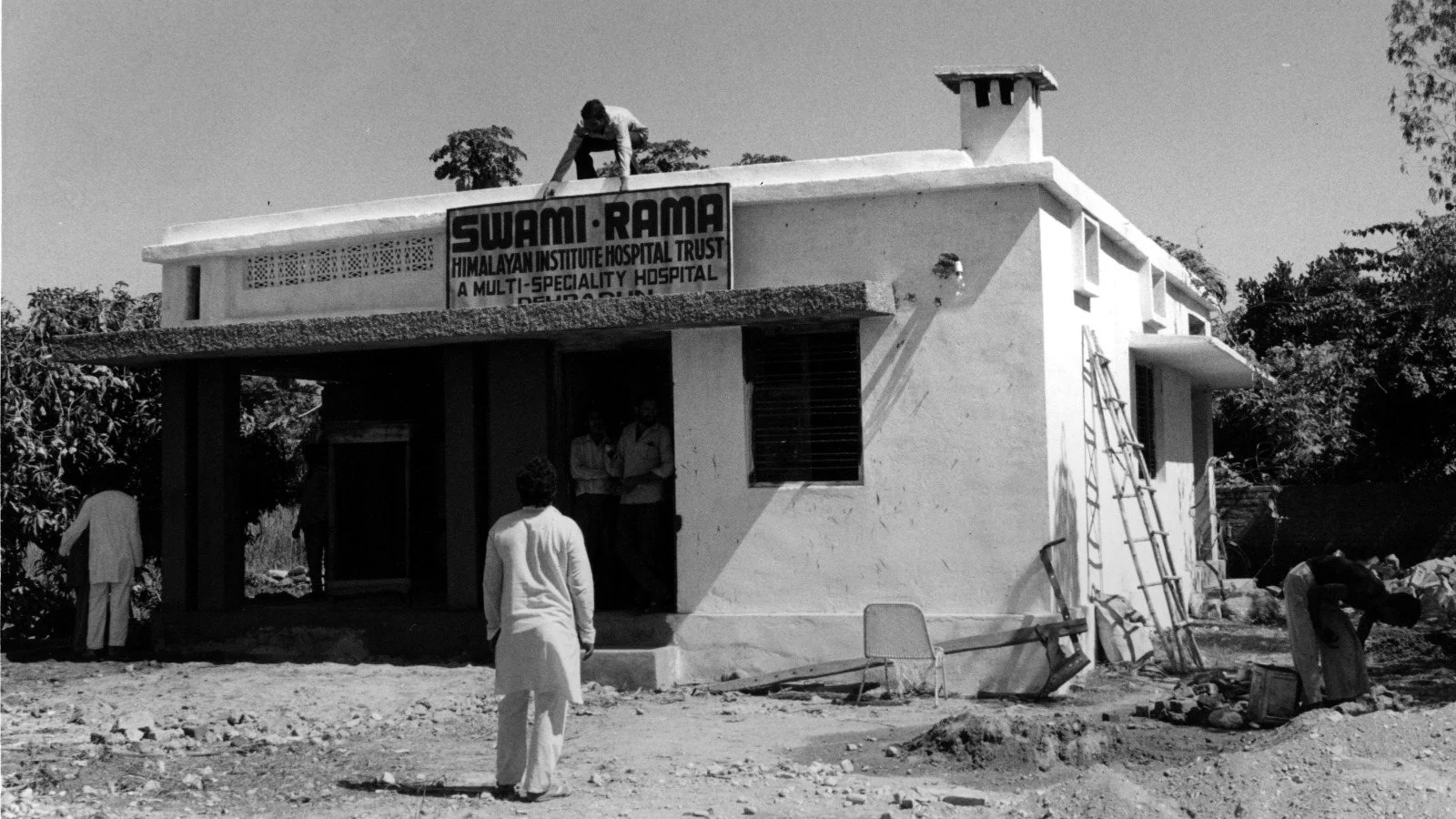
In 1989, he founded the Himalayan Institute Hospital Trust (HIHT) in the Himalayan foothills of Uttarakhand, with a vision that brought together healthcare, education and service to the community. It was one expression of a far-reaching vision—rooted in his profound reverence for the human being and reflected in institutions and initiatives across healthcare, education, Yoga and rural development.
“Deho devalayaḥ proktaḥ, jīvo devaḥ sanātanaḥ.”
The body is a temple; the indwelling consciousness is the eternal divine.
Compassionate, comprehensive and integrative care for all.
Nurturing knowledge, character and service-oriented leadership.
Ancient wisdom for a healthier, more conscious life.
Stronger communities for a healthier tomorrow.
Ayurveda. The Himalayan Way.
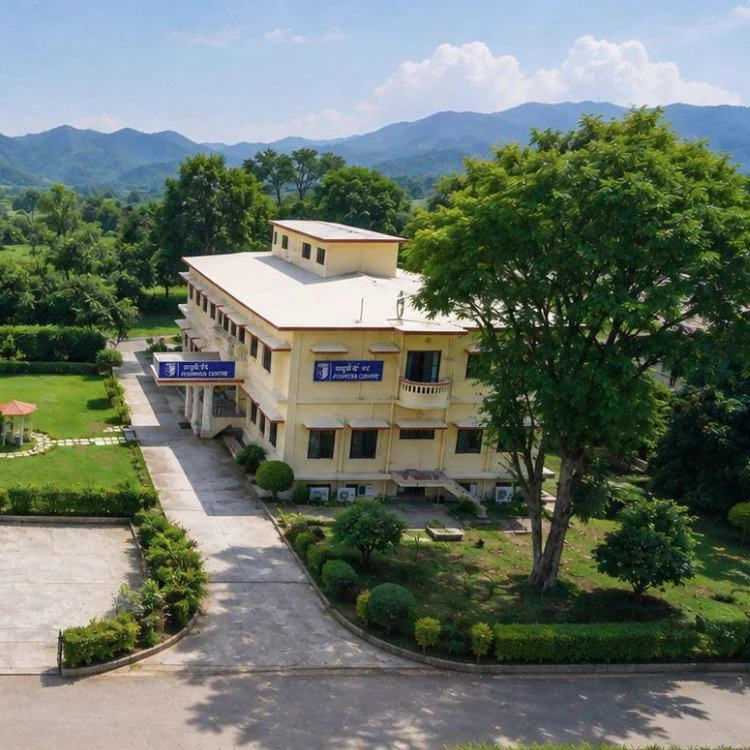
At the Ayurveda Centre, Swami Rama’s legacy is not only remembered—it continues to inform the spirit in which care is offered.
Traditional Ayurveda care is enriched by Yoga, meditation, mindful living and an understanding of body, breath and mind. His emphasis on learning and enquiry also finds expression in the Centre’s place within the clinical and academic environment of Himalayan Hospital and Swami Rama Himalayan University.
May Life Win.